

**** WE ARE CURRENTLY RUNNING APPROXIMATELY 2 TO 3 WEEKS OUT FOR PROCESSING AND PACKING **PLEASE REMEMBER THAT SHIPPING TIMES YOU ARE QUOTED AT CHECK OUT ARE TRANSIT TIMES ONLY (how long it should take to get to you once the carrier has picked up your package), THIS DOES NOT INCLUDE PROCESSING AND PACKAGING TIME**. As always we thank you for your business and your patience. 10/5/26 Dismiss
Skip to content$16.09 $16.09
Out of stock
$6.95 $6.95
$10.75 $10.75
$4.80 $4.80
$9.50 $9.50
1 in stock
$50.50 $50.50
Out of stock
$6.25 $6.25
$77.73 $77.73
Out of stock
$9.21 $9.21
5 in stock
$127.25 $127.25
5 in stock
$59.89 $59.89
Out of stock
$70.93 $70.93
Out of stock
$105.61 $105.61
$38.90 $38.90
1 in stock
$4.80 $4.80
Out of stock
$225.83 $225.83
Out of stock

Whether you are dealing with a small leak, damaged seam, or a larger roof repair, you can find materials for different types of repair work. Choose the products that match the condition and area of your roof.

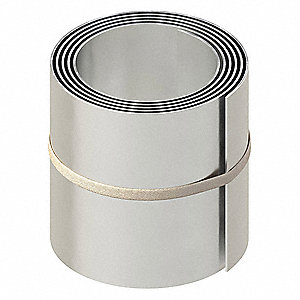
Not every roof problem requires a full replacement. Products such as sealants, repair tape, and other roofing supplies can be used for localized repairs when the surrounding roof is still in good condition.

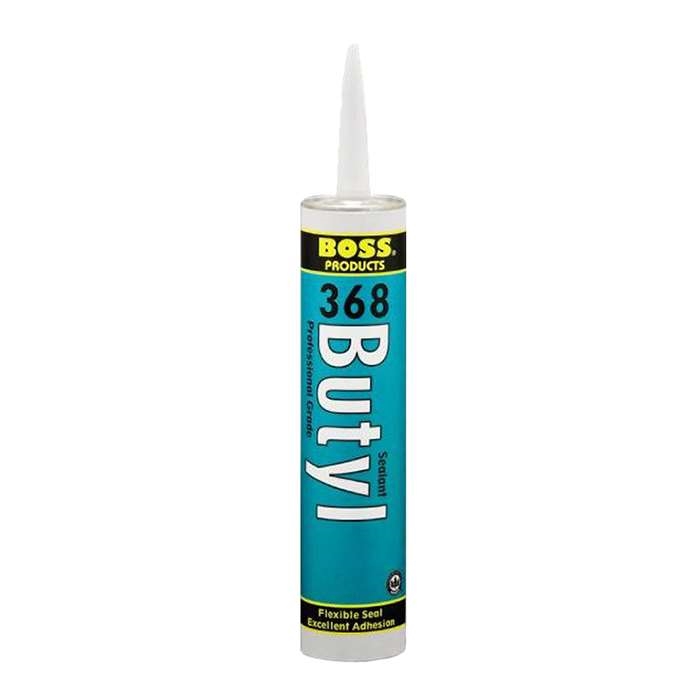
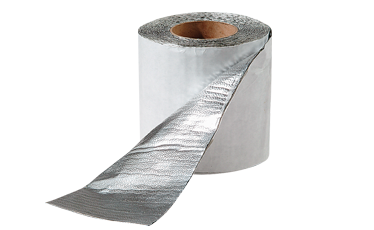
Roof repairs often require more than one product. You can find butyl tape along with other roof repair supplies, making it easier to get the materials needed for the same project.

Drive over and pick up your roof repair supplies at any of our 7 North Carolina locations in Fayetteville, Erwin, Sanford, Goldsboro, Winston-Salem, and Ramseur. We are open Monday to Friday 8 to 5 and Saturday 9 to 1. Everything ships too, so you can order the materials you need for delivery.
Find the most common places for mobile home roof leaks, including vents, pipe collars, flashing and roof seams.

Water can travel along the ceiling before it comes through, so the stain inside may not be directly below the leak. Mark the spot where you see the stain, then check the roof above and around it. Start at that point and work your way uphill, checking for damaged seals, cracks or gaps. The actual leak may be several feet away from the stain.
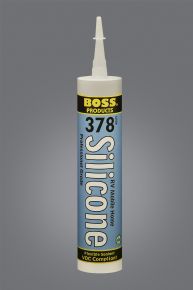
Walk to each vent, pipe collar, and skylight. Press a thumb on the sealant around the base. Firm and smooth means it holds. Cracked, chalky, or pulling away at the edge means you found it. Old sealant shrinks back from the pipe as it ages.
Check each seam and the edge where the roof meets the wall. Look for open gaps, lifted edges and rust, as these can let water through. On a metal roof, check the screw heads as well. The rubber washers can dry out and stop sealing properly, allowing water to get through around the screws.
Rub a palm across the roof. White powder on your hand means the old coating gave up and a patch will not stick to it. Coatings also need dry weather to cure, so watch the days ahead. Read through our returns and refunds policy before you open anything.
It comes down to how much of the roof is involved. Sealing one vent takes a single tube and sits at the low end of the category. Coating the whole roof costs more and lasts longer. Live pricing shows in the cart, or call 800-368-6208.
Most people can. Check that your roof will carry your weight before you step on it, and lay a plank down if it flexes. Wear soft soles, and stay off it when it is wet, icy, or windy. Work in the morning and bring a second person.
Check the rating printed on the product you buy, because it varies by type. What shortens it is always the same thing: coating over dirt or a chalky surface instead of prepping first. A light recoat every few years pushes the full job further out.
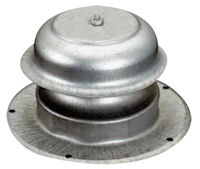
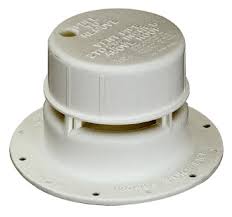
Shut the power to the unit at the breaker before you go near it. Water reaching electrical parts is the danger, not the ceiling stain. The leak usually traces to the flue or exhaust penetration rather than the roof panel itself. Our mobile home roof vents page covers those caps.
Yes, and plenty of people do it instead of patching year after year. The new panels sit on furring strips above the old roof, which leaves an air gap that helps in summer heat. Browse mobile home roofing supplies for the rest of what that job needs.
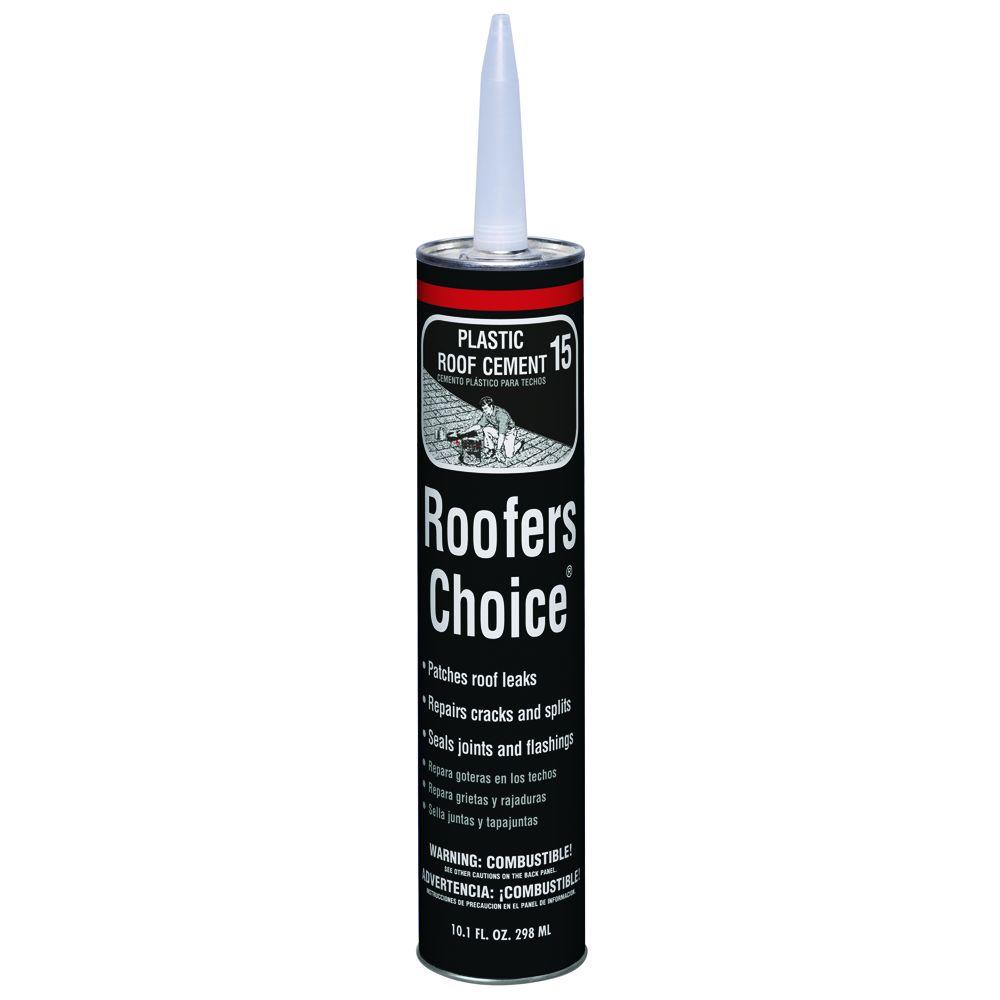
Not on its own. Coating seals a surface; it does not bridge an open hole. Patch the gap with tape and cement first, let it set, then coat over the top. Skipping the patch is the most common reason a fresh coating leaks again by the next storm.

Powered by WooCommerce Checkout On Popup Plugin from WPSuperiors