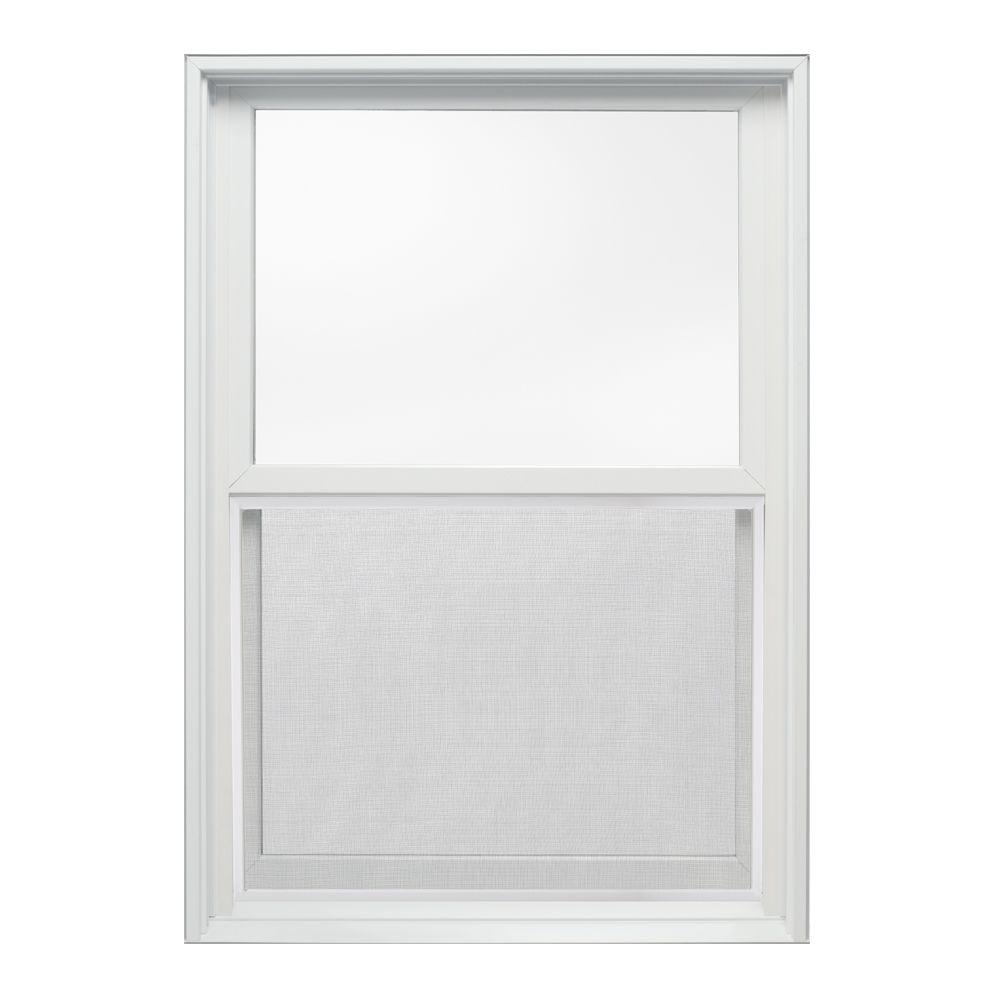

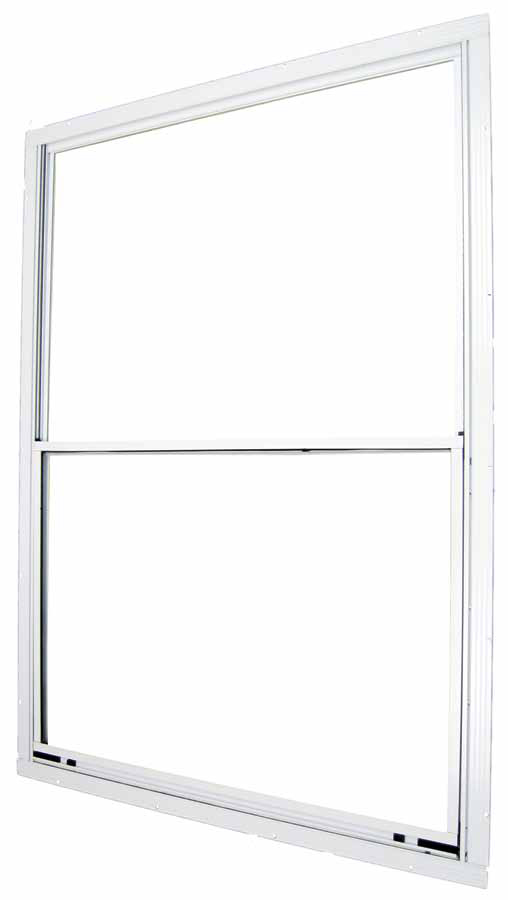

Double-pane Low-E glass reduces heat transfer by up to 50% compared to single-pane. Your HVAC system runs less. The difference shows up on your utility bill within the first season.

Replacement windows for mobile homes are machined to shallower wall depths from the factory, typically 3 to 3¼ inches, so they sit flush without wall modification. No shimming, no guesswork.

Vinyl and aluminum frames that shrug off rain, humidity, and hard winters without warping, rusting, or swelling. Buy from a supplier stocking mobile home parts since 1994 and you know the product holds up.

Bright rooms, no cold air bleeding in. Weathertight frames let the light in and keep the elements out.
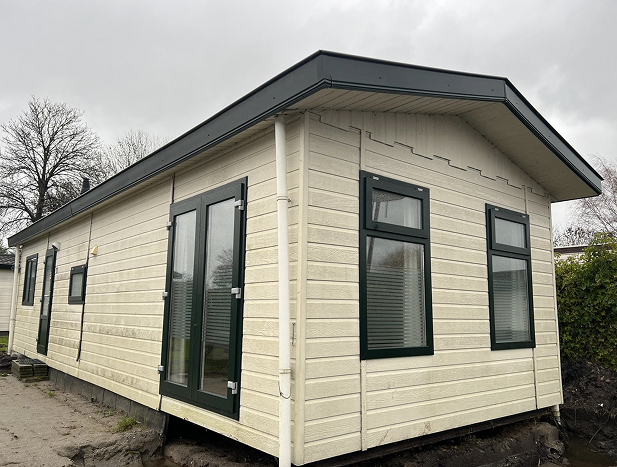
Windows fail at the frame long before the glass gives out. Every mobile home replacement window we sell uses insulated Low-E glass, weathertight vinyl or aluminum frames, and construction tight enough to hold its shape through years of hard weather.

Low-E insulated glass stops heat from bleeding through in summer and escaping in winter. Your home stays comfortable without overworking your heating and cooling system.

Vinyl windows for mobile homes won't rot, rust, or swell. Vinyl and aluminum frames handle moisture, hard weather, and years of daily use without losing their grip.

Every window is machined to standard manufactured home rough openings during production. No trimming, no shimming, no wall modifications on install day.

Compression seals and weatherstripping close the gap between sash and frame so air and rain stay outside. Run a bead of caulk along the edges on install and the seal holds through hard winters.

Windows for manufactured homes sold in the U.S. must meet HUD 24 CFR Part 3280 thermal and structural requirements. Every window we carry is compliant. Replacing windows on a HUD-code home? You are covered.

Measure your rough opening, pull the old frame, drop in your new window, and lock the edges tight. Most mobile home window replacements take under two hours with basic tools.
The wrong size, frame, or style means a return, a gap, or a window that never sits flush. These 4 things take 10 minutes to confirm and save you from ordering twice.
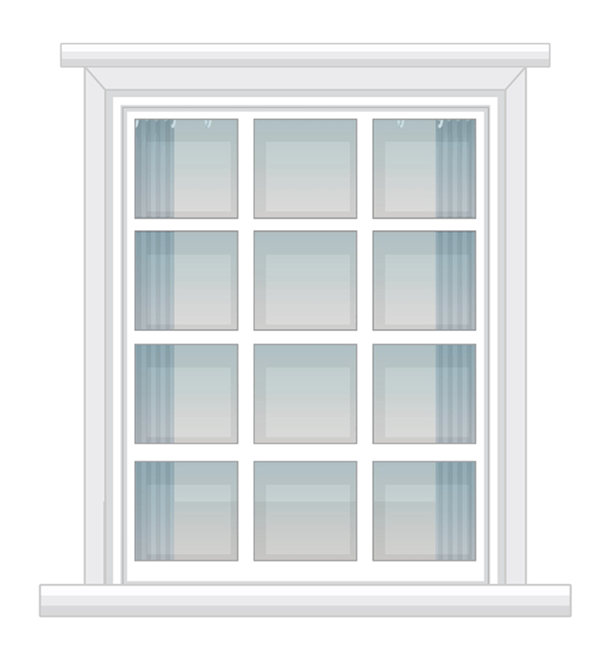
Measure inside the frame, not the glass. Take 3 readings each direction, use the smallest number. Get this wrong and your window won't sit flush. Get it right and it matches a standard manufactured home window size with no modification needed.
Mobile home vinyl windows insulate better and need zero maintenance. Aluminum frames handle high-wind and high-humidity environments better. Coastal North Carolina? Aluminum. Inland with rising heating bills? Vinyl pays itself back within two to three seasons.
Single-pane costs less upfront but lets heat transfer freely through the glass. Double-pane Low-E has a reflective coating that blocks heat in both directions. Planning to stay more than two years? The price difference pays itself back.
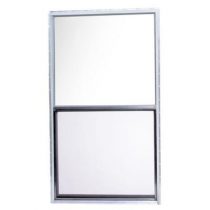
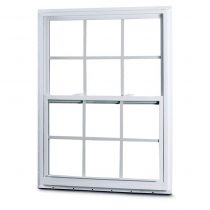
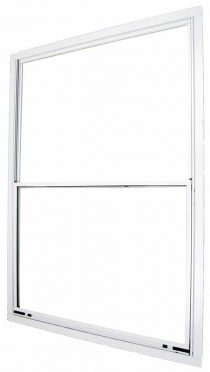
Sliding windows are easiest to replace and work well in tight spaces. Single-hung adds ventilation without taking up wall space. Every mobile home window we carry comes in both styles.

Width and height inside the frame, not the glass. Three readings each direction, smallest number wins.

Remove the existing frame and check the rough opening for rot or moisture damage before the new one goes in.

Position your new window evenly in the opening. Check for level before fastening anything.

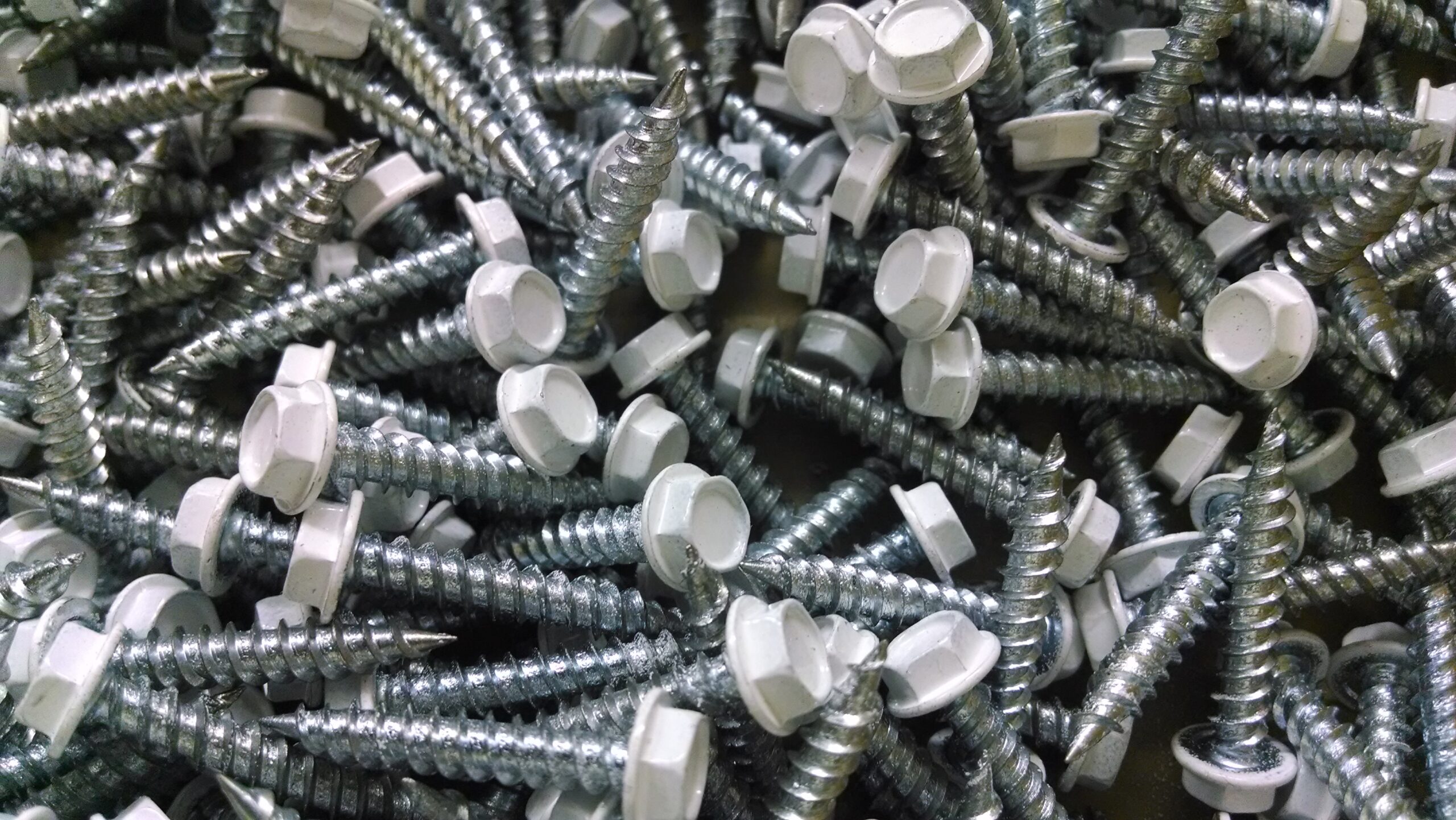
Secure using number 8 or number 10 screws rated for thin-wall construction. Mobile home exterior walls run 2 to 2½ inches deep. Standard drywall anchors will not hold.

Run caulk along all edges to block air and water intrusion. This is what keeps the window performing for years.